-
Why a Single-Coil Relay Defeated Deep Sleep
A non-latching relay was draining a 10000 mAh power bank in 36 hours. The fix was a different kind of relay, a small board to drive it, and a firmware change to match. Here's what I learned along the way.
-
How this site works (2026 edition)
This site was rebuilt from scratch after being offline for over a decade. Here's what changed.
-
Kaansen — Building a Whole-Home Audio System
Designing a multi-zone audio distribution system with custom PCBs, ESP32, STM32, and DSP matrix mixing.
-
Kunjctl — Home Automation with Thread and Matter
Building a Thread mesh network with ESP32 devices and bridging it to Matter.
-
Kash — A Trading Bot in Rust and React
Building an automated trading system with Rust, GraphQL, and a React frontend.
-
Kanopy — Automating Telescope Rain Protection
An Arduino-based system that automatically protects a telescope from rain.
-
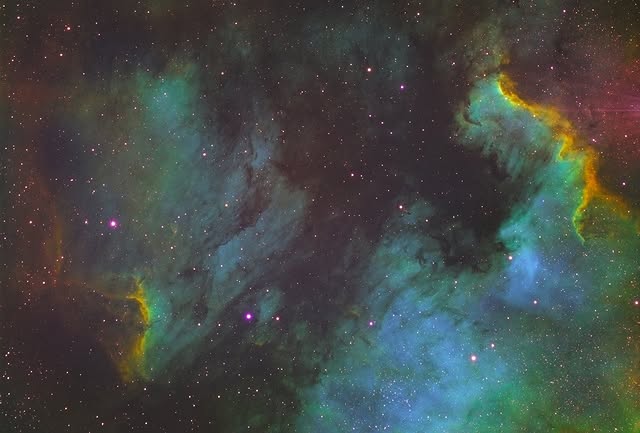
Pelican Nebula & North American Nebula
Experimenting with new image processing techniques.
-
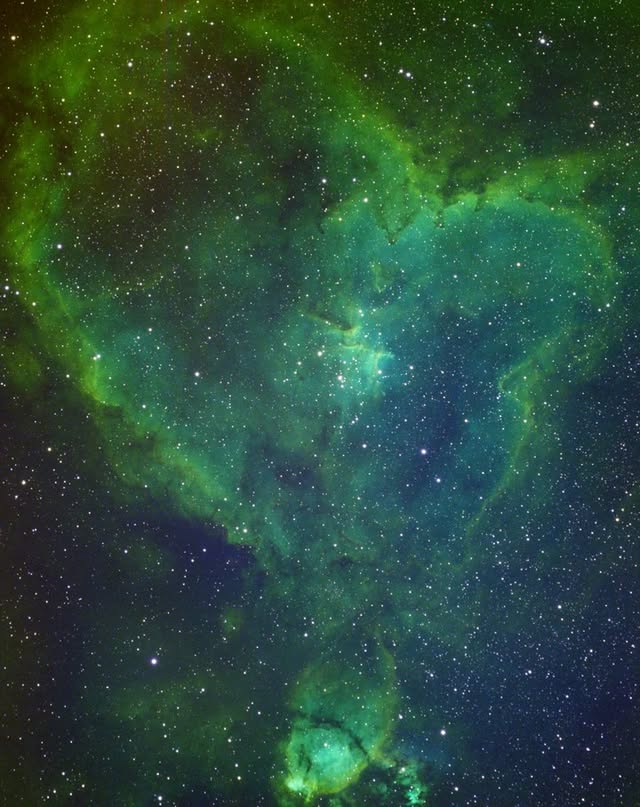
Heart Nebula (IC 1805)
Second attempt with a new scope and narrowband filter technique.
-
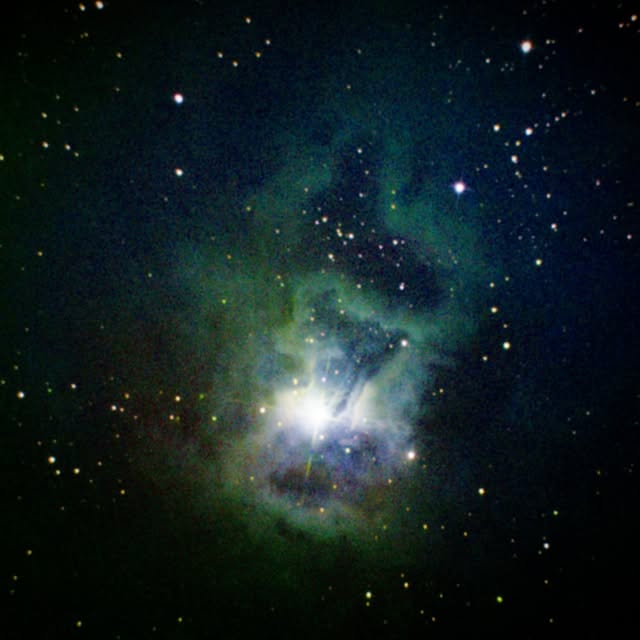
Iris Nebula (NGC 7023)
Located about 1,300 light-years away, one of the faintest objects.
-
Ending on a High Note
Why a linear frequency sweep (chirp) overshoots its target when you compute phase as f(t)·t. The fix is integration, aka a phase accumulator.
-
Hifi — Audio Processing in Zig
Experimenting with audio signal processing using Zig's low-level control.
-
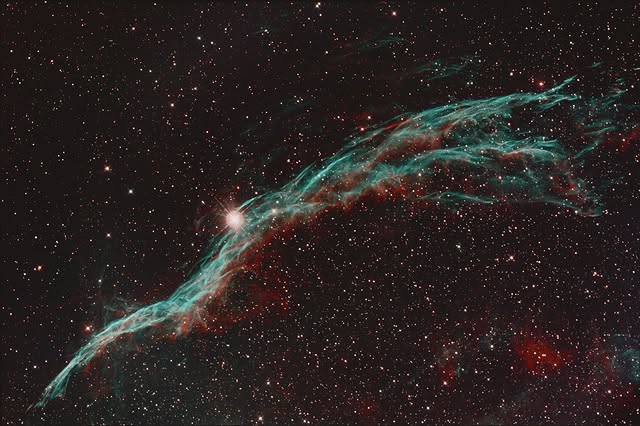
Western Veil Nebula
A supernova remnant, unlike others formed from a single massive star explosion.
-
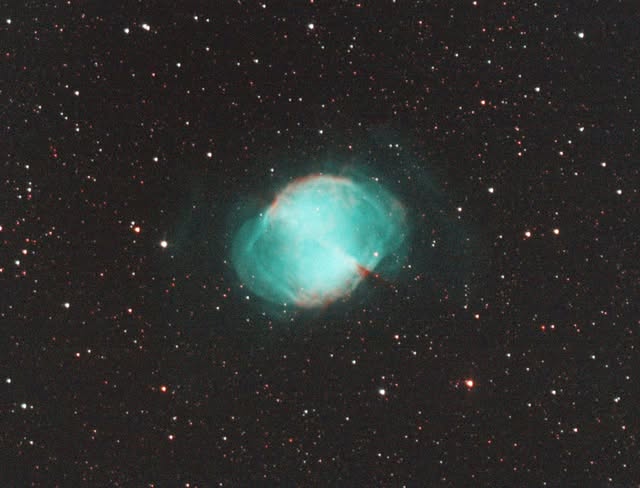
Dumbbell Nebula
1,300 light-years away. A halo surrounds the luminous structure.
-
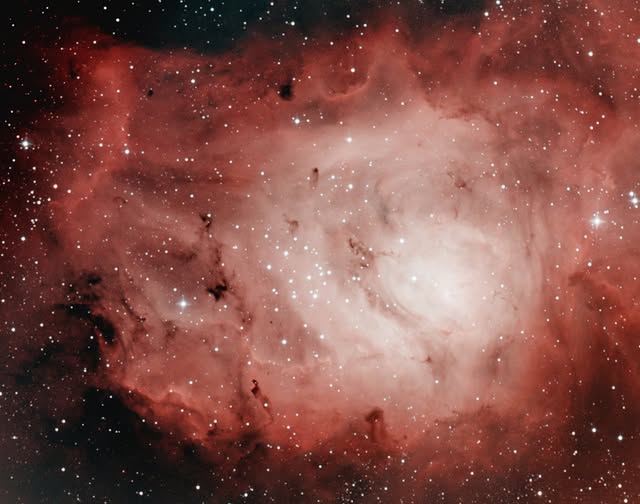
Lagoon Nebula
4,000 to 5,000 light-years away, spanning 110 x 50 light-years across.
-
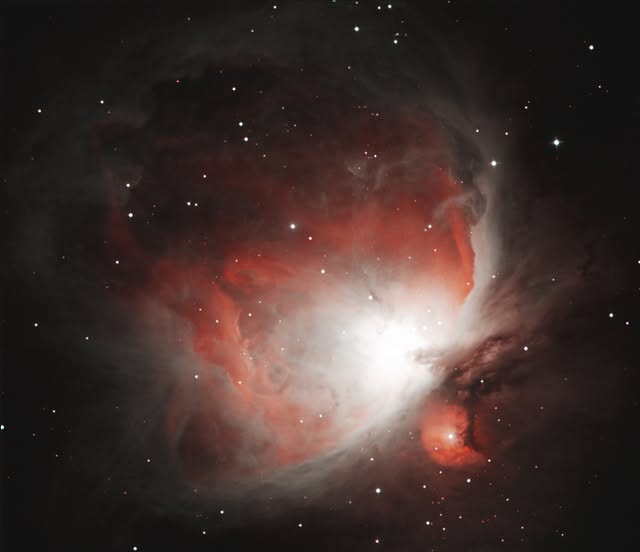
Great Orion Nebula (second attempt)
1,300 light-years away. Second attempt at this object.
-
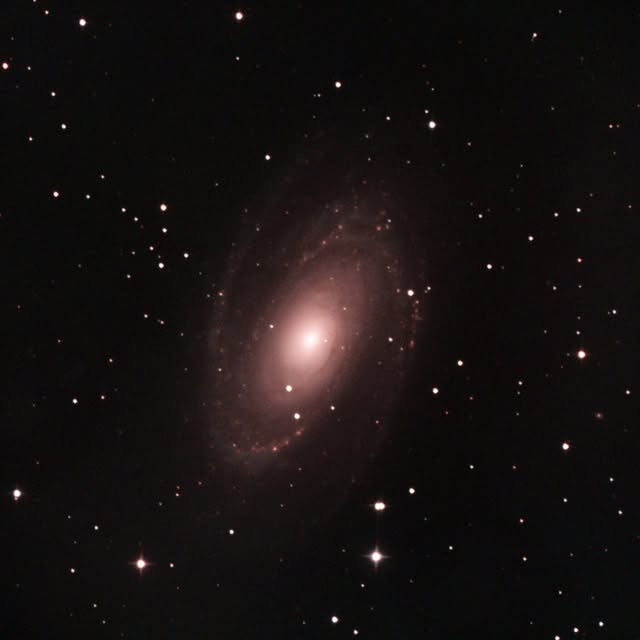
Bode's Galaxy
12 million light-years away, spanning 90 thousand light-years across.
-
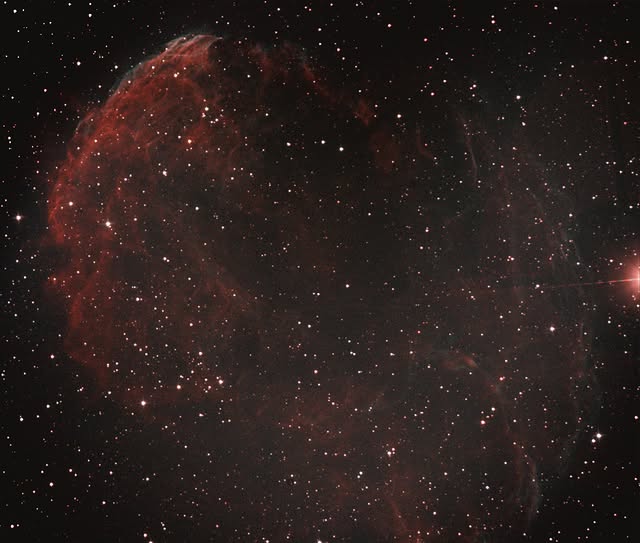
Jellyfish Nebula
A supernova remnant roughly 5,000 light-years away.
-
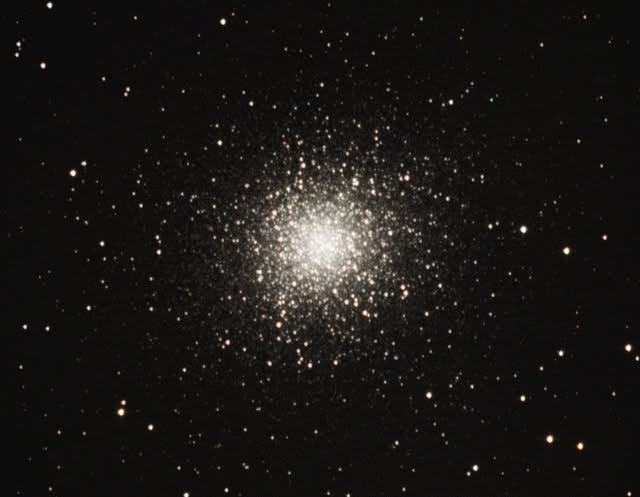
Star Cluster in Hercules (M13)
Hundreds of thousands of stars in a globular cluster.
-
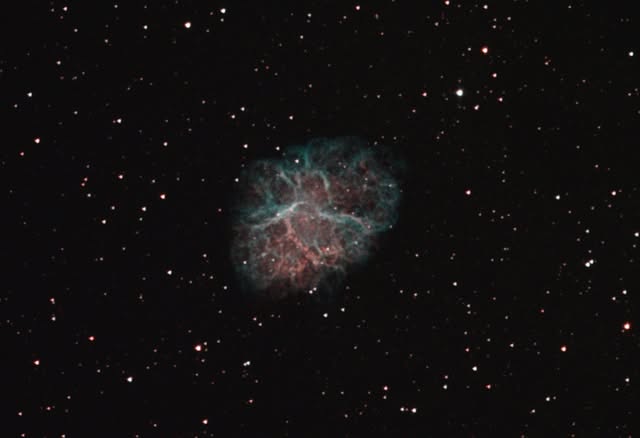
Crab Nebula
A supernova remnant around 6,500 light-years away.
-
Telescope Control Software and the INDI Protocol
Building INDI telescope control clients in TypeScript and Rust.
-
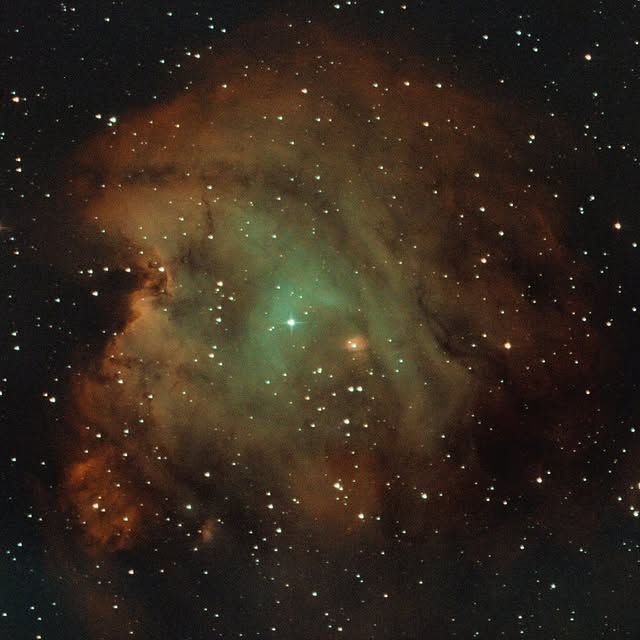
Monkey Head Nebula
In the constellation of Orion, around 6,400 light-years away.
-
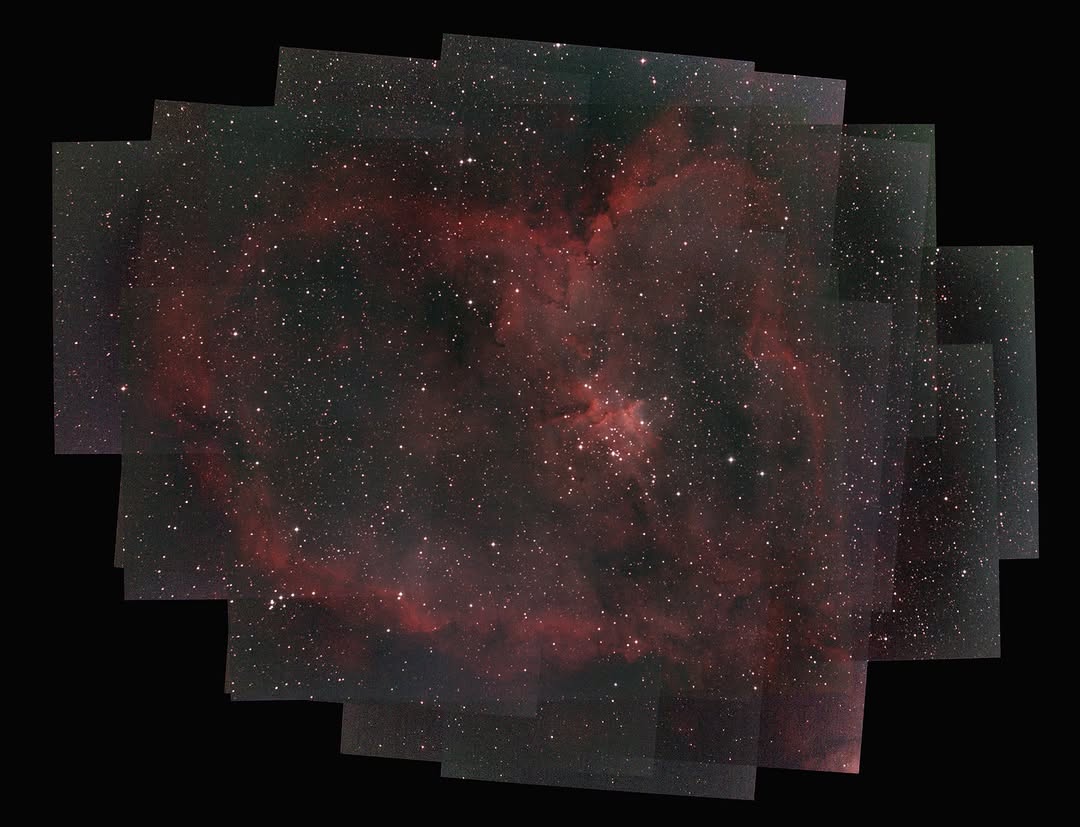
Heart Nebula (mosaic)
7,500 light-years away. If visible to the naked eye, it would be around 4 times the moon's size.
-
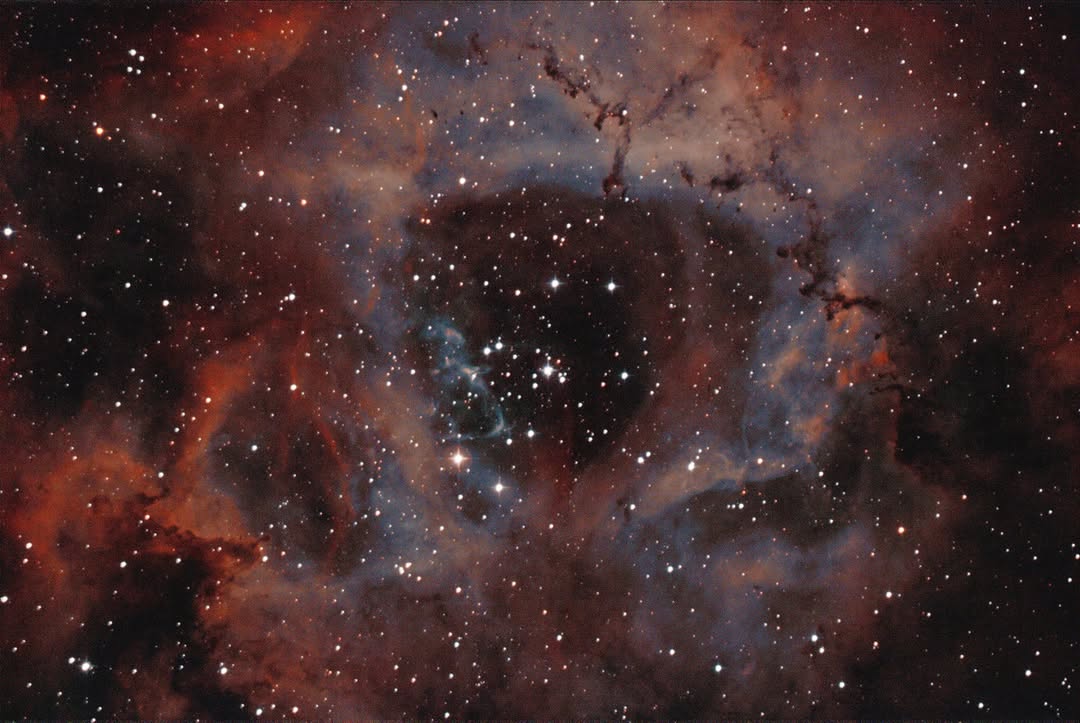
Rosette Nebula
Thousands of stars in the center were created from the matter of this nebula.
-
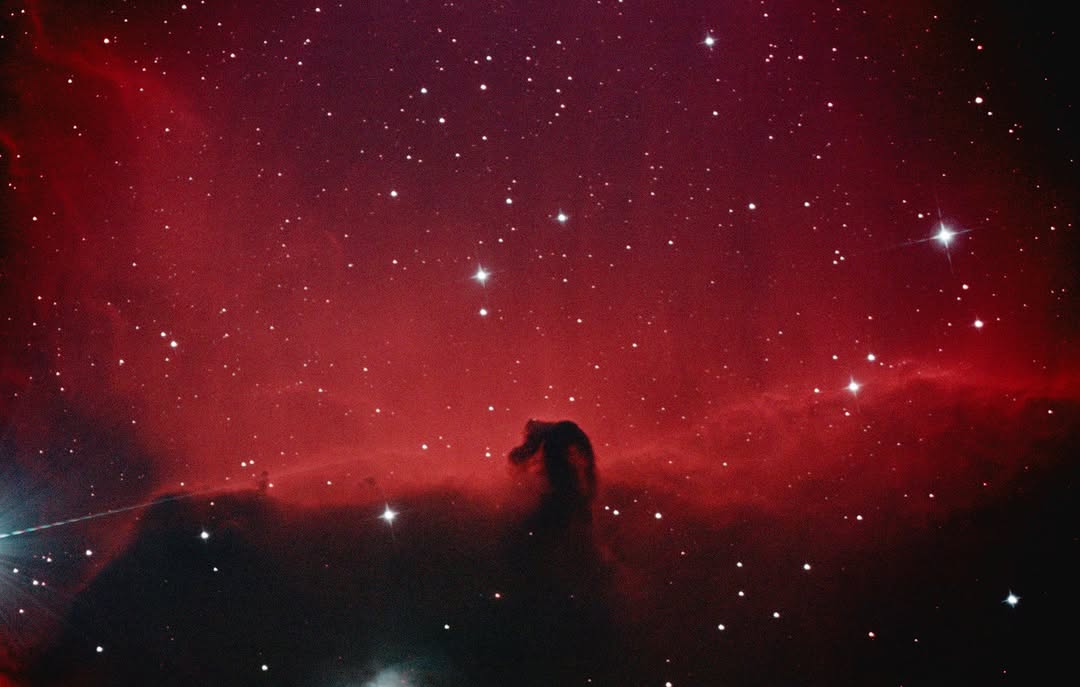
Horsehead Nebula
Another gem hidden in the constellation of Orion.
-
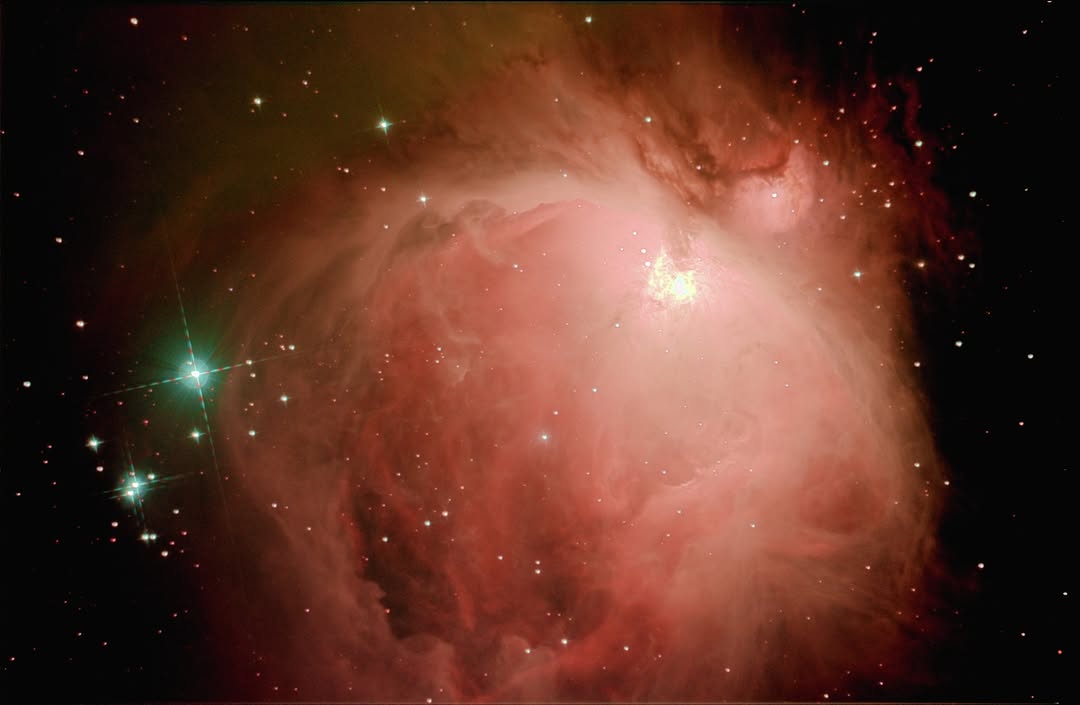
Great Orion Nebula
Around 1,300 light-years away in the constellation of Orion, also known as Mahavyadha — the great hunter in Sanskrit.
-
Arduino Wine Cooler
A Peltier-based wine cooler with predictive temperature control.
-
The inner workings of kaiwalya.com
This article covers the implementation and deployment details of this website
-
Kotton — A Fiber Scheduler with Hand-Rolled Assembly
Writing a user-space fiber scheduler with x86 assembly for context switching.